


.png?width=27&height=27&name=Group(1).png)

-1.svg)
-1.svg)


-2.svg)


%201-1.webp?width=148&height=74&name=our%20work%20(2)%201-1.webp)




.svg)





Introduction- Why Are Fintech Apps Important?
Are you looking for seamless payment options? Do you need innovative lending options and a reliable investment platform? There’s only one solution that can make all of these possible.
And that's a good fintech app.
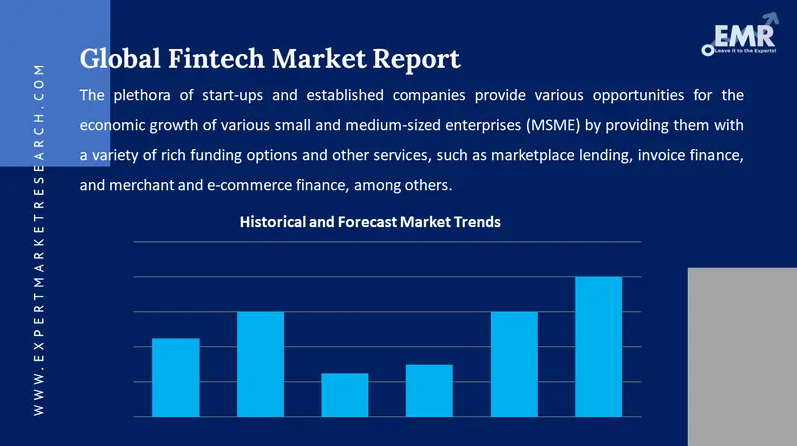
According to a report by Claight Corporation, the Fintech industry is on a rapid growth trajectory. It's projected to grow at a CAGR of 16.8% between 2024 and 2032, reaching a value of around USD 917.17 billion by 2032.
This growth is fueled by the increasing adoption of fintech apps and services.
Top 30+ Fintech Apps of 2026
Fintech apps are not just tools, they are reshaping the finance industry. From innovative budgeting tools to cutting-edge investment and mobile banking platforms, these apps are transforming how we manage money, invest, and transact.
Let us have a look at how each of these fintech apps is reshaping the industry:
1. Betterment
Betterment is a well-known robo-advisor platform that makes investing simple and accessible, even for beginners. It uses smart algorithms to help users create diverse investment portfolios based on their financial goals. Betterment offers automated rebalancing and tax-efficient tools, making it easy to track your goals. Its algorithms analyze market conditions to keep your portfolio aligned with your preferences and risk level, without needing constant manual input.
Pros
-
Automated and goal-oriented investing and money management driven by advanced algorithms.
-
Effortless portfolio management with features like rebalancing and tax-loss harvesting.
-
User-friendly interface offering clear insights and personalized recommendations.
Cons
-
Limited control for investors who prefer selecting individual stocks.
-
Annual management and overdraft fees may feel restrictive for very small portfolios.
2. Upstart
Upstart is an AI-driven lending platform that helps people get personal loans quickly and more affordably. Instead of relying only on traditional credit scores, Upstart’s model analyzes factors like education, job history, and earning potential to understand a borrower’s true creditworthiness. This allows more users, especially those with limited credit history, to access fair loan rates. With fast online approvals and transparent terms, Upstart has become a popular choice for smarter and AI-enhanced lending.
Pros
-
Uses AI models to offer personalized loan rates beyond just credit scores.
-
Quick online application and same-day approvals for many users.
-
Helps borrowers with thin credit files get access to better loan options.
Cons
-
Origination fees may apply depending on the loan.
-
Not all applicants receive the lowest advertised APR.
3. Rocket Money
Rocket Money is a personal finance tool that helps users track expenses, manage bank accounts, and optimize their monthly budgets. It automatically finds recurring charges, suggests ways to lower bills, and shows where your money goes. With smart features and automatic tracking, the mobile app helps you easily cut unnecessary spending and stay organized with your finances.
Pros
-
Automatically detects and manages subscriptions to prevent unwanted charges.
-
AI-driven spending insights help users understand and control their expenses.
-
Offers bill negotiation services to help lower monthly costs.
Cons
-
Some features, like bill negotiation, may involve added fees.
-
Budget customization features can feel limited for advanced users.
4. Acorns
Acorns is a micro-investing app that helps people grow their money effortlessly by investing spare change from everyday purchases. The mobile app uses automated portfolio management and smart algorithms to place your rounded-up amounts into diversified and low-risk portfolios. Its AI-supported insights on investment accounts, goal-based tracking, and automatic rebalancing make it easy for even the beginners to start investing without needing financial expertise.
Pros
-
Automatically invests spare change, making it easy to build savings.
-
Uses smart algorithms for diversified, hands-off portfolio management.
-
Beginner-friendly interface with simple goal-tracking tools.
Cons
-
Monthly fees can feel high for users with very small balances.
-
Limited investment customization for advanced investors.
5. Zest AI
Zest AI is a financial technology platform that uses AI to improve credit decisions for banks and lenders. Instead of relying solely on traditional credit scores, Zest AI applies machine-learning algorithms to analyze a broader range of data. This approach leads to more accurate, fair, and inclusive lending decisions. Their tools help institutions quickly review loan applications, spot fraud, and manage risk, providing a smarter and more efficient way to handle underwriting.
Pros
-
Offers AI-automated underwriting that can analyze hundreds or more data points.
-
Helps lenders make faster credit decisions by automating much of the review process.
-
Includes advanced features like AI fraud detection and “lending intelligence,” which supports risk management and portfolio-level insights.
Cons
-
Zest AI is primarily built for financial institutions, so it may not be relevant to individual retail users in the way consumer-facing “apps” are.
-
Because it uses advanced AI models and caters to enterprise needs, smaller lenders might find it complex to implement or may not need all its features.
6. Google Pay
Google Pay is one of the most popular fintech apps that makes sending money, paying bills, and completing everyday transactions fast and seamless. It combines easy-to-use features with strong security backed by Google’s intelligent systems. The app uses AI-driven fraud detection, personalized insights, and smart recommendations to help users manage payments more safely and efficiently. With its simple interface and support for both online and in-store payments, Google Pay, along with many mobile banking apps, has become a trusted choice for secure cashless transactions.
Pros
-
Fast and secure instant transfers of payments with AI-powered fraud detection and alerts.
-
Simple, user-friendly interface suitable for all types of users.
-
Supports contactless payments, bill payments, and seamless peer-to-peer transfers.
-
Offers cashback rewards for the payments made.
Cons
-
Features may vary depending on region and bank support.
-
Requires an active internet connection for most transactions.
7. Darktrace
Darktrace is an AI-driven cybersecurity platform widely used in the fintech sector to detect and stop cyber threats in real time. It uses machine learning and AI models to understand normal network behavior and immediately flags anything unusual, such as suspicious transactions, unauthorized transactions, or potential fraud. For fintech companies handling sensitive financial data, Darktrace provides an added layer of intelligent, self-learning protection that adapts as threats evolve.
Pros
-
Uses self-learning AI to detect threats and anomalies in real time.
-
Helps prevent fraud, data breaches, and unauthorized access with automated responses.
-
Continuously adapts as new cyber threats emerge.
Cons
-
Best suited for businesses and enterprises, not individual users.
-
It can be expensive for small fintech startups with limited budgets.
8. Enova
Enova is a digital lending and financial services platform that uses advanced analytics and AI models to make faster, fairer credit decisions. The company supports consumers and small businesses by providing flexible loan options, real-time approvals, and personalized financial accounts management. Enova’s AI-powered underwriting analyzes hundreds of data points to assess risk more accurately than traditional credit methods, helping more people access responsible credit when they need it.
Pros
-
Uses AI-driven underwriting to make quicker, more accurate lending decisions.
-
Offers fast approvals and flexible loan options for individuals and small businesses.
-
Helps underserved borrowers get access to credit through more inclusive evaluation models.
Cons
-
Interest rates may be higher than those for traditional bank loans.
-
Availability and loan terms vary depending on location and credit profile.
9. Kasisto
Kasisto is one of the most popular fintech apps that uses AI. It is best known for KAI, a virtual assistant that can communicate like a human. KAI helps banks and financial institutions by answering customer questions and guiding new & experienced users through banking tasks. It also provides personalized financial advice for beginner investors, withdrawing funds and money management. With its ability to understand natural language and banking processes, Kasisto helps financial companies improve customer support, lower operational costs and achieve investment goals.
Pros
-
Offers advanced conversational AI tailored specifically for banking and finance.
-
Improves customer support with quick, accurate, and 24/7 responses.
-
Helps banks deliver personalized financial guidance through natural language interactions.
Cons
-
This system is mainly for banks and financial organizations, not for individual users.
-
Smaller companies may need to spend time and resources to integrate it properly.
10. Cash App
Cash App is a popular mobile payment platform that makes sending, receiving, and managing money quick and effortless. Beyond basic payments, it also offers features like Bitcoin investing, stock buying, and a customizable Cash Card. The app uses smart security systems and AI-driven fraud detection to keep transactions safe. With its fast transfers, clean interface, and growing list of financial tools, Cash App has become a go-to choice for modern digital banking.
Pros
-
Fast peer-to-peer payments with a very easy-to-use interface.
-
Offers additional features, including stock investing, Bitcoin trading, and Cash Card customization.
-
Built-in AI fraud detection adds an extra layer of security for users.
Cons
-
Limited customer support compared to traditional banks.
-
Bitcoin and stock trading features may feel basic for advanced investors.
11. MoneyLion
MoneyLion is among the top fintech apps that helps you manage your money. It allows you to build credit and access small loans when you need them. The app combines banking, investing, and budgeting tools, making it easier for you to stay organized with your finances. MoneyLion also uses AI to track your spending, suggest better financial choices, handle diversified portfolios, streamline cash flow and customize your money management through financial education content. It offers features like automated investing and credit-building programs to support you at every step of your financial journey.
Pros
-
Offers a full suite of tools, including banking, investing, budgeting, and credit-building.
-
Uses AI-powered insights to help users understand and improve their financial habits.
-
Provides small, fast loans and cash advances with simple eligibility requirements.
Cons
-
Some premium features require a paid membership.
-
Loan terms and available credit options may vary by user profile.
12. OPay
OPay is a fast-growing mobile financial app that makes everyday payments simple, especially in emerging markets. Users can send and receive money, pay bills, recharge phones, and even access small loans, all from one app. OPay also uses intelligent systems and AI-driven checks to support secure transactions and reduce fraud. With its wide agent network and easy interface, it has become a reliable digital wallet solution for users and small businesses.
Pros
-
Offers a wide range of services, including transfers, account balances checking, bill tracking, and small loans with no hidden fees.
-
Uses AI-powered fraud monitoring to keep transactions safe.
-
Strong presence in emerging markets with extensive agent support for cash-in and cash-out.
Cons
-
Features and services may vary by region.
-
Customer support can be slow during peak usage times.
13. SoFi
SoFi is a personal finance app that combines banking, investing, lending, and financial planning in one place. It is known for refinancing student loans, offering low-interest personal loans, and integrating budgeting apps to enhance user experience. SoFi also provides automated investing, budgeting tools, and real-time financial insights. The app uses smart algorithms and analytics to give personalized recommendations. This helps users save money, choose investments, and manage spending. Its all-in-one approach makes it a popular choice for easy money management.
Pros
-
Combines banking, investing, loans, and budgeting in one app.
-
Uses AI-based insights to give personalized financial recommendations.
-
Offers competitive loan rates and automated investment options.
Cons
-
Some premium features and loan products require strict eligibility.
-
Investment options may feel limited for advanced or hands-on investors.
14. PayPal
PayPal is a trusted digital payment platform used worldwide for secure online purchases, quick money transfers, and business payments. It is easy to use and offers strong security features, including AI that detects fraud in real time by monitoring transactions. PayPal offers options for sending money, advanced solutions for businesses, international transfers, and even buy now, pay later services. This makes PayPal a popular choice for both individuals and businesses.
Pros
-
Reliable global payment platform with strong user and merchant support.
-
AI-powered fraud detection enhances transaction safety.
-
Supports multiple features, including international transfers and BNPL.
Cons
-
Transaction fees can be higher than those of some newer payment apps.
-
Account holds or payment freezes may occur during suspicious activity checks.
15. WealthWise
WealthWise is an AI-powered investment advisory platform that helps users with different domains, such as investment planning, retirement planning, and tax planning. The app features a financial planning review that analyzes your financial activities to gauge whether you can meet your financial objectives.
Pros:
- Even people with very limited financial knowledge can utilize this fintech app to manage their finances.
- The app provides personalized financial planning and investment advice.
Cons:
- The app depends on internet availability, so people living in remote areas may only occasionally have access to it.
- The app requires users to have a basic understanding of financial concepts.
16. PayLink
PayLink is a fintech app that helps businesses build a great payOps framework, making it easier for customers to pay them. The framework also helps with accounting. Paylinks also provide a whole integration suite, which includes a channel, an interactive adspace, and a 'rewards program'.
Pros:
-
Lets businesses share secure payment links across all social media platforms like Facebook and Instagram.
-
Simple and user-friendly for quick payment collection.
Cons:
-
Limited integrations with major e-commerce and accounting platforms.
-
Not ideal for businesses with complex payment needs.
17. CryptoVault
CryptoVault is a secure fintech app that is the world's first secure cryptocurrency certificate issuer. Headquartered in Wyoming, CryptoVault is a digital wallet for managing cryptocurrencies with features like cold storage and multi-coin support.
Pros:
-
Strong security features like cold storage and MFA protect against cyber threats.
Cons:
- If you are a new user joining the CryptoVault app, you will need to learn about new technologies like backup procedures and private keys. This process can make the app a bit tiresome for users.
- The app may not be suitable for users who are not familiar with cryptocurrency concepts.
18. CashGuard
CashGuard is a fintech app that helps users get paid more securely for their project work. The app gives users real-time insights and helps increase productivity by over 50%, saving them ample time. This app offers a “no-touch cash solution’, which prevents the spread of infections that occur when the process is done manually.
Pros:
- This app helps you organize your finances. It offers features like budgeting tools, seamless integration with banking institutions, and expense tracking.
- The app provides real-time insights and helps increase productivity.
Cons:
- This app needs strong encryption or a very secure login method. It is also extremely dependent on technology, so logging in would be difficult in case of an outage.
- The app may not be suitable for users who are not comfortable with digital payment methods.
19. LendUp
LendUp is among top finance apps that offers loans to people with low credit scores. The app relies heavily on these two solutions. There's a LendUp ladder that displays the names of the consumers who have excelled in these two areas.
Pros:
- Loans are available for people with low credit scores, which is a blessing. This app greatly increases financial flexibility.
- The app offers a range of loan options and flexible repayment terms.
Cons:
- Many app users have lower credit scores, and this app is not suitable for them. The interest rates offered by this application are too high.
- The entire process is very time-consuming and may require a lot of documentation.
20. BudgetMaster
BudgetMaster is a personalized tool for financial planning and wealth management. With this fintech app, you can develop ideal saving habits, track all your purchases, and create budgets for long-term financial management.
Pros:
- It offers complete budgeting features to manage your budget and expenses.
- You can expect to gain financial freedom and incorporate discipline.
Cons:
- The features and the UI could be more user-friendly.
- They could introduce more tutorials or learning aids for new users.
21. InvestorHub
InvestorHub is one of the top fintech apps today. It enables firms to maintain their investor relationships. This app provides you with tools like your complete registry data, smart campaign tools to reach a wider audience, and the newest communication tools. Using this app, you can expect to attract 33% more shareholders and maximize your profit.
Pros:
- This fintech app provides a very interactive community where investors can communicate with each other,
share stock market insights, discuss market trends and make smooth decisions.
- It offers a wide range of tools to help investors manage their portfolios.
Cons:
- Since it facilitates rapid communication between users, misinformation or rumors can be spread easily via this application.
22. LoanGenius
LoanGenius is an AI-powered platform that matches borrowers with suitable loan options based on creditworthiness and financial history. They help you get your debt about a home loan with the aid of their Loanzify app.
Pros:
- It simplifies the process of applying for a loan and getting approved by users.
- This fintech app streamlines processes like document verification and also facilitates interaction with lenders.
Cons:
- Whether the app really protects your data and applies stringent security measures - could be a concern.
23. RoboSave
RoboSave is a fintech app that works on the principle of Robotic Process Automation (RPA) and Artificial Intelligence. It automates savings goals based on spending patterns and income streams, encouraging smart financial habits. The RoboSave app automates savings by analyzing spending patterns and setting aside small amounts regularly, helping users build savings effortlessly. It offers customizable savings goals and insights, making financial planning accessible and intuitive for users of all categories.
Pros:
- When you spend money on a purchase, this app allocates your money to each of your savings accounts.
- This fintech app looks after your spending patterns. You don’t have to analyze your savings all the time.
Cons:
- Very limited customization options are available.
24. PayPros
PayPros is a holistic fintech platform that offers all payment solutions in one place, such as direct local bank wires, credit/debit bank processing, payment agency alternatives, and wallets.
Pros:
- This app's main benefit is its user-friendly and intuitive interface, which simplifies financial management for users.
- It offers a wide range of payment options, making it easy to manage finances.
Cons:
- There are sometimes technical glitches periods when the app is down. For this reason, the users find this app unreliable.
- The app may not be suitable for users who are not comfortable with digital payment methods.
25. WealthGuard
WealthGuard is a wealth management fintech app offering asset allocation strategies, retirement planning, and estate management services. Using the Wealthguard number, you can get a clear picture of where you stand financially. It monitors your assets automatically and helps limit your losses.
Pros:
- It gives users alerts in real-time and provides insights for effective wealth management.
- It offers a comprehensive view of financial assets and helps users make informed decisions.
Cons:
- This app's subscription cost is a bit high, which is a problem for users who are not that well off economically.
- The app may not be suitable for users who are not familiar with financial planning concepts.
26. Qapital
Qapital is an AI-driven savings app that analyzes spending habits to suggest optimized savings plans and investment opportunities.
Pros:
- You can integrate your app with your bank to track your transactions. This bank also provides you insights into your spending habits so that you can save more.
- It offers a range of investment options and educational resources.
Cons:
- The expenses associated with this app should be more economical for the common man.
- The app may not be suitable for users who are not comfortable with digital banking.
27. Zelle
Zelle is a fintech app that allows users to send money to friends and family. It integrates with numerous banks and offers a simple way to manage transactions.
Pros:
- The app is widely available and integrates with numerous banks. Users don’t need to create new accounts or profiles to send money.
- It offers a fast and secure way to send money.
Cons:
- The main problem with this app is that it doesn’t let you rectify your errors in transactions. Since the actions on this app are irreversible, this might pose a threat if the transaction was made by mistake.
- The app may not be suitable for users who are not comfortable with digital payment methods.
28. BorrowEase
BorrowEase is a peer-to-peer lending platform that connects lenders with borrowers. It offers competitive rates and transparent terms.
Pros:
- Applying for a loan requires no paperwork or hassle. The process is very rapid and saves users time.
- It offers competitive rates and transparent terms.
Cons:
- At any given time, a user can accumulate as much wealth as he wants to. This app doesn’t have any restrictions on borrowing money, which might promote a lack of monetary and financial discipline among users.
- The app may not be suitable for users who are not comfortable with digital lending.
29. InvestSmart
InvestSmart is a money management app that provides real-time insights and investment opportunities. It offers a secure membership structure and educational resources.
Pros:
- Users are generally taken aback by how interactive this app is. There are a lot of features to explore, and you can track every financial activity in one app.
- It offers a range of investment options and educational resources.
Cons:
- Compared to broking firms, this app might be an issue for investors who are trying to build a diverse portfolio. There are limited options available in terms of bonds, stocks, and Electronic Trading Funds (ETFs).
- The app may not be suitable for users who are not familiar with financial planning concepts.
30. SaveSmart
SaveSmart is an AI-driven savings app that analyzes spending habits to suggest optimized savings plans and investment opportunities.Pros:
- This app provides diverse investment options. Some of the features include educational resources, goal-setting tools, and budgeting resources.
- It offers a range of investment options and educational resources.
Cons:
- Limited compatibility with banking institutions is an issue for people associated with less mainstream financial institutions.
31. Venmo
Venmo is a popular financial services app that allows users to split bills and make payments between individuals easily.
Pros:
- The Venmo app makes sure that the transactions are easy to do. Thus, it facilitates transactions between two individuals.
- It offers a fast and secure way to send money.
Cons:
- The overall cost of the app might pose a problem for most people. Venmo has introduced certain monetary requirements in certain aspects, making the app not an ideal choice for those who are economically lagging.
32. Revolut
Revolut is the most holistic finance app and offers around 2000 stocks to choose from. What can be better than managing your finances right from your smartphone? It has many functionalities, such as allowing currency exchange at the interbank, cryptocurrency reading, and card management (both physical and virtual).
Pros:
- The exchange rates on this application are pretty low, making it useful, especially for people who travel frequently.
- It offers a wide range of investment options and educational resources.
Cons:
- Revolut relies mainly on its online resources to ensure efficient customer support. According to many users, reaching the customer support agent can be a challenge on this app.
33. Chime
Chime is a fintech app that provides unique personal finance features, like early direct deposit options and a very secure savings account. There are no hidden costs. This is a blessing if you are searching for a neat and sublime banking process.
Pros:
- The lack of monthly fees or minimum balance requirements makes it a cost-effective option for users.
- It offers a wide range of financial management tools.
Cons:
- The app requires heavy usage of ATMs and sometimes is unreliable.
34. Sequence
Sequence is a fintech app that lets you control how your finances are distributed across different accounts. The Sequence app gives the users balance updates and notifications. You can create IF statements to magnify your savings. It also lets you transfer your money to all your accounts.
Pros:
- Based on pre-designed workflows, this app lets you organize your tasks and priorities according to a sequence.
- It offers a range of financial management tools.
Cons:
- This app constantly needs to draw input from users’ actions to maintain the pre-set sequences. Also, the app’s security measures are not that robust.
35. Coinbase
Coinbase is a cryptocurrency exchange application that allows users to manage their cryptocurrencies, NFTs, and multiple wallets in one place. You can import from different wallets, such as Metatask, TaskWallet, and even the Coinbase wallet.
Pros:
- Users can engage in trading activities on the go. The app provides a straightforward way to manage and sell numerous cryptocurrencies.
- Its intuitive design makes it easy for users to monitor their investments.
Cons:
- The app is not very economical.
Conclusion
The fintech landscape is evolving faster than ever, and today's leading apps show how AI is transforming financial technology companies. Whether it's automated savings from RoboSave, real-time investing insights from InvestSmart, or secure digital asset management through Coinbase, each financial services app offers something unique for modern users.
What truly stands out across these apps is the shift toward AI-powered financial experiences. Smart automation, predictive analytics, comprehensive money management, intelligent loan matching, fraud detection, and personalized financial planning are no longer "premium features"; they're becoming the foundation of next-gen fintech products. And as consumer expectations rise, companies that build or enhance their fintech solutions with AI will stay miles ahead.
If you're a business exploring how to integrate AI solutions in fintech, from automated underwriting and risk modeling to personalized user journeys, modern technologies can help you innovate faster and deliver better financial outcomes. The right AI capabilities can turn your product into a high-performing, insight-driven platform that users trust and rely on every day.
Frequently Asked Questions
Have a question in mind? We are here to answer. If you don’t see your question here, drop us a line at our contact page.
Which fintech is the best?

The best fintech app depends on what you need. If you want simple money transfers, apps like PayPal and Zelle work great. For AI-powered insights and smarter financial planning, tools like MoneyLion, Qapital, or WealthWise stand out. For crypto users, Coinbase is one of the most reliable platforms. Each app excels in a different area, so the “best” one is the one that matches your financial goals.
What is the best App to Manage your Finances?
If you want a well-rounded app for tracking spending, saving, and managing budgets, apps like BudgetMaster, Chime, and Revolut offer strong features. AI-driven apps such as SaveSmart or RoboSave make financial management easier by analyzing your spending habits and helping you stick to your goals automatically. These tools work well for anyone who wants a simple, organized way to oversee their finances.
What apps do Financial Advisors use?
Financial advisors often rely on tools to analyze portfolios, plan long-term strategies, and communicate with clients. Apps like InvestorHub help advisors manage investor relations, while platforms such as WealthGuard and WealthWise assist with portfolio monitoring, asset allocation, and retirement planning. Advisors also use analytics-heavy platforms that include AI features to deliver more accurate insights.
Which Finance App is best for beginners?
If you're just starting, apps like Qapital, Chime, or BudgetMaster are beginner-friendly with simple interfaces and easy-to-follow tools. AI-powered apps like SaveSmart and RoboSave are also helpful because they automate savings and provide personalized suggestions, so you don’t need much financial knowledge to get started.
What is the most Popular Fintech Company?
Some of the most popular fintech companies globally include PayPal, Cash App, Revolut, Chime, and Coinbase. These platforms are widely used because they offer secure payments, easy money management, and user-friendly digital banking solutions.
What is the best Financial AI App?
Several fintech service apps today use AI to simplify money management. MoneyLion, Qapital, RoboSave, and WealthWise are among the best because they use AI to analyze spending, recommend financial actions, automate saving, or match users with suitable loans. These features make financial planning more personalized and intuitive.
Which tool is commonly used for AI Development in Fintech?
Fintech companies often use tools like Python, TensorFlow, PyTorch, and cloud platforms such as AWS AI/ML services, Google Cloud AI, and Azure Machine Learning. These tools help developers build fraud detection models, risk-scoring systems, recommendation engines, and other AI-driven financial solutions. AI integration is becoming a crucial part of modern fintech development.
What is the best App for budgeting your Money?
Budgeting apps like BudgetMaster, Qapital, and SaveSmart are among the best options. While traditional budgeting tools give you categories and trackers, AI-powered apps like RoboSave go a step further by automatically analyzing your expenses and recommending smarter ways to save. These tools make it easier to stay on top of your finances without having to do everything manually.